AIMIA 2016 Digital Industry Salaries Report

The Digital Industry Association of Australia recently released the findings of its 2016 investigation into the digital industries and salaries.

Initially, I was interested to read the report as I was on the hunt for a new role and wanted to make sure that my expectations, in regards to remuneration and a couple of other factors, were on track for my industry.

There are a number of interesting figures highlighted by this report. The statistics found by this report for those working in the social media and marketing areas is in line with the findings in last year’s Australian Community Manager’s Survey conducted by Quiip, swarm community management conference, and Dialogue Consulting.

Also of note is how out of step the salaries for those in the executive branch of the industry are, when compared with professionals across the spectrum of roles included.

At $200,000, the median salary of Senior Digital Executives is markedly higher than that of the second most highly paid digital professionals .

At $200,000, the median salary of Senior Digital Executives is markedly higher than that of the
second most highly paid digital professionals (eCommerce: $120,000).

What I would like to see is a report comparing expectations of those looking to enter the digital industries to the realities of working in the field. I’m talking points like salary (obviously a large factor), hours worked in the office, hours worked outside of office hours, unpaid work hours (come on, we all know it happens), and job satisfaction. I think these are all important factors to consider when looking to enter a new job, but are of especial interest to those who are new to the workforce in general.
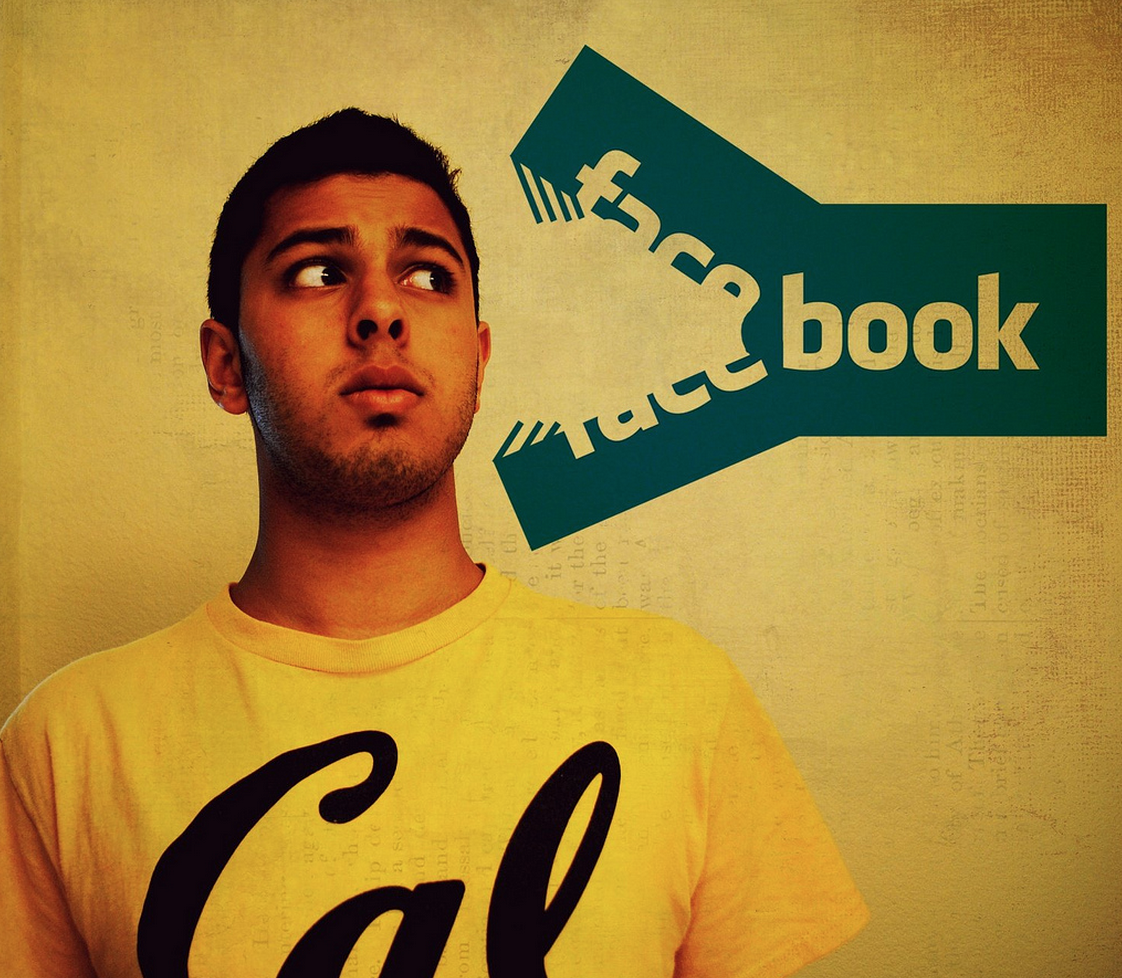
Facebook = Internet… or does it?

Michael Wolf, of Activate fame, said recently that Facebook wants to be the internet. He was, of course, referring to a deal between the social media giant and Oculus VR. The question is: How is it going to achieve it?

Img credit: Rishi Bandopadhay on Flickr.com

Img credit: Rishi Bandopadhay on Flickr.com

The internet, and by extension the web, has become central to our day-to-day existence. We use it to communicate with our friends, family and colleagues. We use it to access information that might otherwise elude us. It’s the first thing we think to turn to when it comes to the ever-present question, “What will I make for dinner?” In fact, with the Internet of Things invading our appliances, the day is not too far away that we see the Internet becoming the single most integral element in our everyday life outside of air, food and water.

Facebook sees itself at the centre of this brave new world. Its active hunting and acquisition of smaller companies offering something it wants is just one part of the strategy to offer everything online in just one place.

The Facebook wall has taken over what websites like LiveJournal and MySpace once offered, with Facebook Messenger giving us what Skype can. It’s not creating new opportunities, but more an act of integrating existing offerings and sticking a shiny new Facebook blue badge on it. Games can even be played in Messenger as well! Where will it end?

In Australia, you can now have your memorial online with Facebook. Not even your end will mean an end to your social media presence.

All this plugging in to your general life has left some people concerned.

Some critics of Facebook’s Internet.org say that attempts to provide free internet access to emerging markets by the world’s largest social media platform threatens “…freedom of expression, equality of opportunity, security, privacy and innovation.

Long time readers of this blog and my Twitter feed will know that I am a believer in keeping the net neutral (amongst other things). Now, I’m not saying that Facebook is evil. There are plenty of other people who have written on that subject. All I’m saying is that, as with any form of technology, there are things to be considered when you’re delving into the realm of social media.