I’ll be attending Pax Aus again this year, but things are going to look a little different this time round.
If you’ve kept up with my shenanigans at convention, you will know that I normally spend most of my time of a con in the TTRPG area, running one shots of Vampire the Masquerade. Many of you have skipped the queue hall of Pax and run to the far end of the tabletop hall to book in with one of my games.
Well, this year I am not going to be running one shots in the TTRPG zone.
Instead, I am going to be busy in the theatres!
That’s right – I am part of 3 panels across the weekend in October!!!
The PaxAus panel schedule has just gone live, and you can find my name on three of the panels!
Saturday 10 October. I will be in the Fruitbat Theatre from 6:30pm, talking about “Being ‘old’ on the Internet” with Icy, ToastRackTV, Backyardis and FurySevenSix.
On Sunday 11 October, I’ll be back in the Kookaburra Theatre from 5pm, talking with Ann-Marie C, Hayley G and Nicole K, about books that have been made into games, in “From Pages to Play.“
And a Very Special Announcement…
Saturday evening, from 8:30pm (yes, right after my earlier panel) in the Owlbear Theatre, I will be taking four forever DMs through a very special one shot of Vampire the Masquerade set at the convention itself, in “PaxAus by Night“!
Join BarmE, Hexes & Vexes, pr0mythean and Ben as they navigate their first game of VtM, Pax and potential vampire hunters amongst the Enforcers. Delightful vampires in the audience will have the chance to roll some dice to either aid or complicate our new fledglings as they deal with being fresh kindred. Make sure you’re in the Owlbear Theatre for 8:30pm on Saturday to join in the shenanigans!
If you haven’t already secured a ticket to Pax, they’re running out fast, so head on over to the website and grab one now! I’ll see you at Pax Aus!
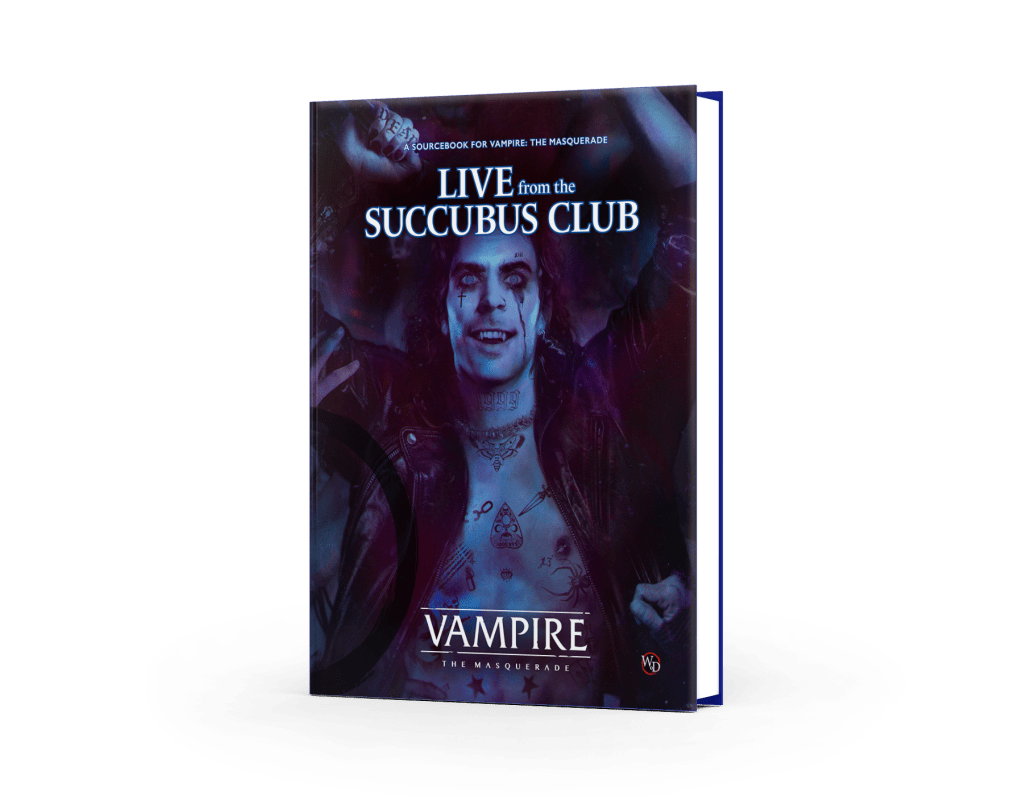
That’s the central premise to this new sourcebook for Vampire: the Masquerade fifth edition. Given the focus on maintaining the Masquerade (that’s the idea that humans can never find out that vampires exist and walk amongst them that the entire game hinges on), this might seem like the antithesis of the setting and system. So let’s dive into why this sourcebook is a great addition to your VtM games.
But first, some history…
The Succubus Club is a well-known feature of Vampire the Masquerade. It first landed in front of Vampire fans in 1991 with it’s own sourcebook, aptly titled “The Succubus Club”, for first edition. It detailed the Kindred-run night club in Chicago. It offered maps for each level, an overview of the services on offer to other vampires, the types of kine or humans the venue attracts, where Elysium lies within its walls, and no less than 7 scenarios featuring the venue, completed with character sheets for key figures the coteries might meet. In short, it is an incredible source of game material in its own right.
It was then followed in 2003 by “The Succubus Club: Dead Man’s Party” for revised edition. This work built on the previous book, adding more social machinations within the venue, and detailed breakdowns of what each clan might utilise the space for. It went to great lengths to detail appropriate behaviour in the location, what was or was not considered appropriate, and offered some ideas to incorporate into your running chronicles before delving in to secrets from behind the curtain that a Storyteller might want to pull on when using the setting. It didn’t specifically offer a story to run using the setting though, which is why it is not perhaps as frequently reached for when modern storytellers look to add the Succubus Club into the chronicles.
The Succubus Club in modern nights
image: Renegade Game Studios
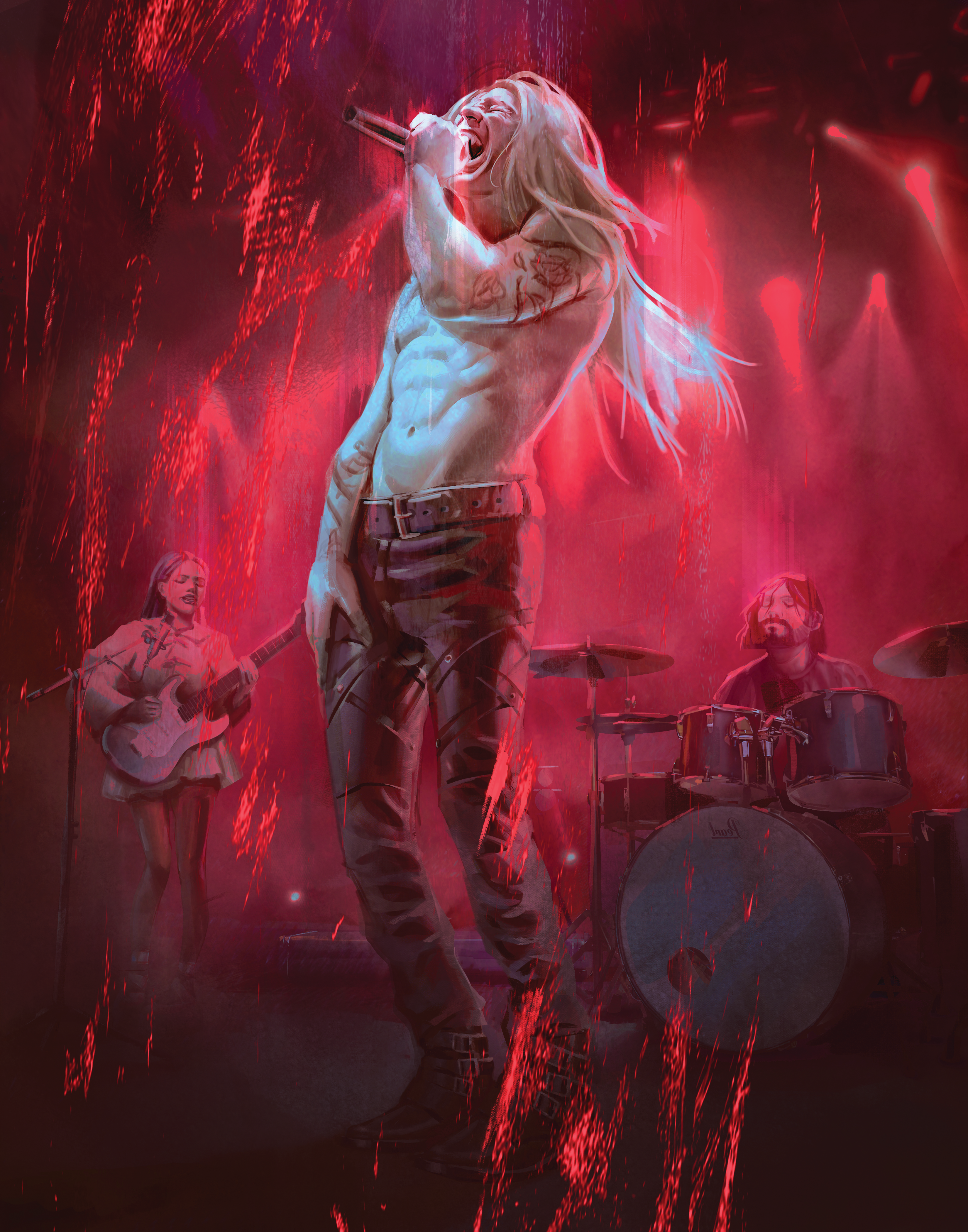
“Live from the Succubus Club” brings the beloved location into a more modern setting, and offers guidelines on how to utilise its many rooms, services and secrets. Most notably, it also incorporates guidelines and rules on how “Lestat”-ify your kindred character. If you’ve been watching, or are an existing fan of, Anne Rice’s Vampire Chronicles, you will be familiar with the Brat Prince himself, Lestat de Lioncourt and his musical career. Well, if you’re intent on giving your kindred character a moment in the spotlight like Lestat, then this book will be a must-have. Not only does it give guides on how to run a business for both kindred and kine, it also gives incredible insights on how to build a band of musical vampires. It shares the trials and tribulations you might face when touring, and how to navigate building a coterie of musicians, including how you might want to spend coterie XP.
The book details how The Succubus Club has syndicated across the globe – now a franchise of sorts, with clubs in locations all over the world. Each is a little different, due to the culture and society is resides in, but all still feel familiar enough to a travelling kindred looking to party with friends, both fanged and free of Caine’s curse.
It also sheds some light on how the Second Inquisition, the name given by vampires to the collective hunters who hunt them, might track and intercept them, interrupting shows, tours and even attempting to take them down with a stake to the chest.
Location information for settings across the world really helps to bring the idea of a touring band of kindred to life. The retinue of NPCs (or SPCs as they are known in this setting), is a gold mine for any Storyteller.
Chapter six gives us an incredibly well thought out chronicle we can use for our talented and fanged musicians, with Appendix 1 offering charts and tables for any storyteller to add elements into existing stories they may wish to spin. The Loresheets at the back of the book provide ties to the wider World of Darkness for characters looking to delve into this setting.
Fancy five minutes of fame?
“Live from the Succubus Club” is a great addition to your book collection if you’re a player or storyteller of fifth edition Vampire:” the Masquerade, and looking to add some fame, fortune and fickleness to your chronicle. I would highly recommend it is you are looking to add some ambition, international travel, music and cutthroat business in to your Vampire: the Masquerade chronicle.
You can get “Live from the Succubus Club” from Renegade Game Studios (affiliate link), your local friendly game store, or digital platforms like Roll 20 and Demiplane.