Facebook = Internet… or does it?

Michael Wolf, of Activate fame, said recently that Facebook wants to be the internet. He was, of course, referring to a deal between the social media giant and Oculus VR. The question is: How is it going to achieve it?
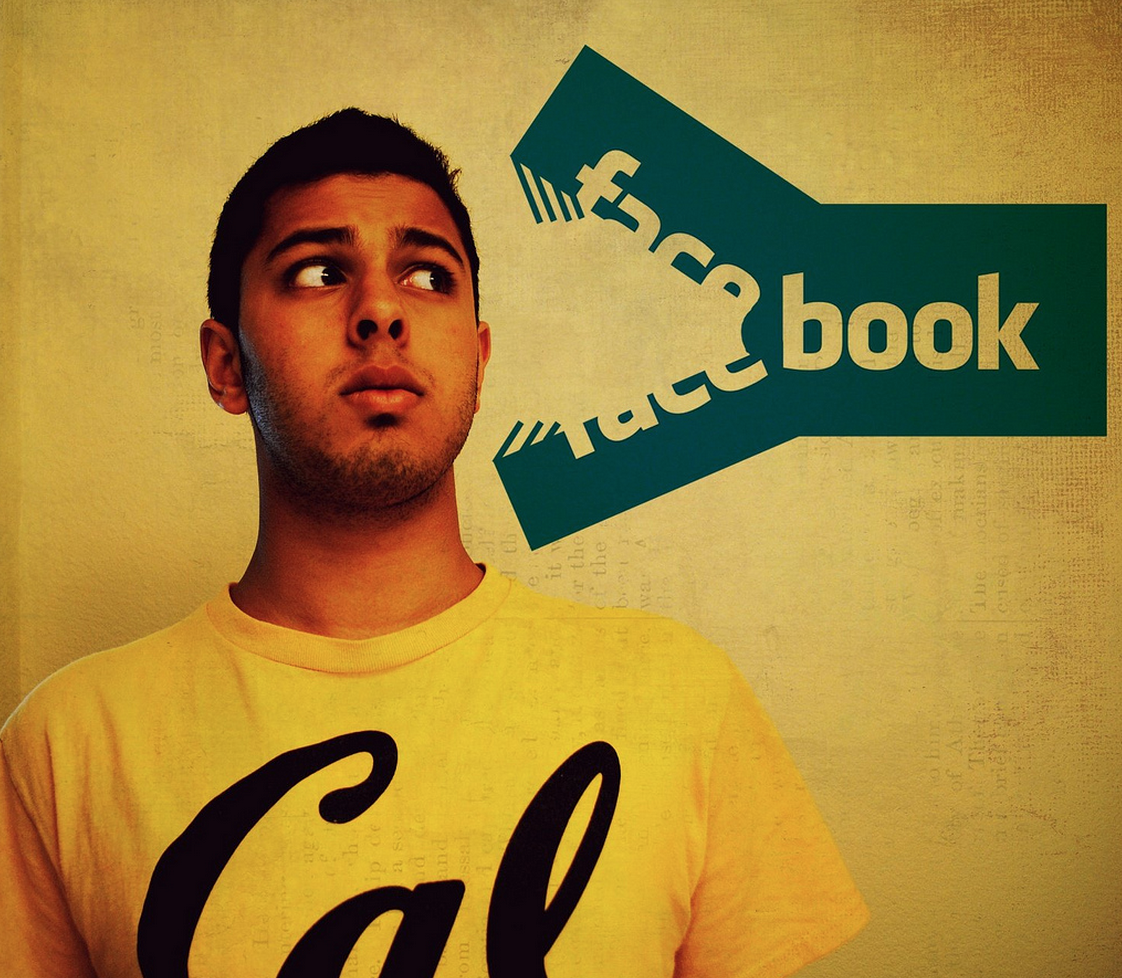
Img credit: Rishi Bandopadhay on Flickr.com

Img credit: Rishi Bandopadhay on Flickr.com

The internet, and by extension the web, has become central to our day-to-day existence. We use it to communicate with our friends, family and colleagues. We use it to access information that might otherwise elude us. It’s the first thing we think to turn to when it comes to the ever-present question, “What will I make for dinner?” In fact, with the Internet of Things invading our appliances, the day is not too far away that we see the Internet becoming the single most integral element in our everyday life outside of air, food and water.

Facebook sees itself at the centre of this brave new world. Its active hunting and acquisition of smaller companies offering something it wants is just one part of the strategy to offer everything online in just one place.

The Facebook wall has taken over what websites like LiveJournal and MySpace once offered, with Facebook Messenger giving us what Skype can. It’s not creating new opportunities, but more an act of integrating existing offerings and sticking a shiny new Facebook blue badge on it. Games can even be played in Messenger as well! Where will it end?

In Australia, you can now have your memorial online with Facebook. Not even your end will mean an end to your social media presence.

All this plugging in to your general life has left some people concerned.

Some critics of Facebook’s Internet.org say that attempts to provide free internet access to emerging markets by the world’s largest social media platform threatens “…freedom of expression, equality of opportunity, security, privacy and innovation.

Long time readers of this blog and my Twitter feed will know that I am a believer in keeping the net neutral (amongst other things). Now, I’m not saying that Facebook is evil. There are plenty of other people who have written on that subject. All I’m saying is that, as with any form of technology, there are things to be considered when you’re delving into the realm of social media.

Online Copyright Infringement Discussion Paper

I seriously love my friends. They’re a varied crew, all interested in a huge range of subjects. There is one common thread, however. They’re almost all into what is right.

I recently received this email from a friend in regards to a conversation underway about an online copyright infringement discussion paper. As it is a subject rather close to my heart, I thought I would share its contents with you. It is from the Australian Digital Alliance.

It continues to be an exciting year for copyright in Australia! Of particular note is the government’s request for feedback on its proposals on online copyright infringement which are due on 1 September 2014.

Online Copyright Infringement Discussion Paper

The government recently released a discussion paper aimed at reducing online copyright infringement.  The paper had three main proposals:

  • Extend authorisation liability;
  • Provide a new injunctive process to block overseas websites whose dominant purpose is to infringe copyright; and
  • Extend the safe harbours to a wider class of intermediaries (including schools and universities).

We have a quick overview of the proposals and have blogged some preliminary responses to the proposal to extend authorisation liability.  While this measure is directed ISPs, it is not restricted to ISPs, meaning that the changes will impact on other intermediaries such as schools, libraries, online platforms and universities.  In particular we are concerned that:

  • It will increase legal risk
  • It will increase legal uncertainty
  • It will encourage reliance on the safe harbours, including the requirement for an implemented policy for disconnection of repeat infringers
  • It will put Australia at odds with international norms

We have commissioned Dr Rebecca Giblin to write a paper that examining the effects on intermediaries and also do a comparative analysis of the forms of secondary liability with other core jurisdictions.

We will of course be putting in a submission, and would encourage others to do the same.  EFA has put together some consumer facing materials that may be useful and CHOICE is asking for consumer stories about access to content.  I haven’t seen anything from groups such as the Copyright Council, but if you have additional resources please feel free to bring them to our attention!

Trade Agreements
We have signed tow FTAs this year with Korea and Japan, both contain IP chapters. On copyright these continue to focus on enforcement, with limited recognition of other interests. In the reports on KAFTA they also included an opinion that the decision in the iiNet case was inconsistent with our trade agreements, and should be overturned, something that has now been suggested in the response to online copyright infringement.  We disagree with this interpretation of our international commitments, and said so in our submission.

Negotiations on the TPP continue, the next meeting will be in the first week in September in Hanoi.  The intention still seems to be concluding the agreement in  November, but this hinges a lot on whether Japan, the US and Canada can sort out the market access issues.  We continue to liaise at departmental and political level to ensure that the negotiators and decision makers are aware of the potential effects on user groups.

Other matters

We’ve also recently put in a submission to the Competition Policy Review (done a fair amount of media about the lack of movement on the IT Pricing recommendations \and supporting the work of the libraries at WIPO

Within the Attorney-General’s department a small group has been created to look at copyright reform, including online infringement and the ALRC recommendations.  We continue to work on this, and will be looking to some wider advocacy efforts toward the end of the year.

And, in some excellent news, we finally signed the Marrakesh Treaty!

If anyone is in Melbourne on Tuesday/Wednesday do consider coming to AuIGF – I’ll be speaking on panels about regulation on the internet and intermediary liability.

As always. please do keep up with our work at http://digital.org.au/blog or follow @aus_digital on twitter.  And feel free to email info@digital.org.au questions/concerns/suggestions/queries.